






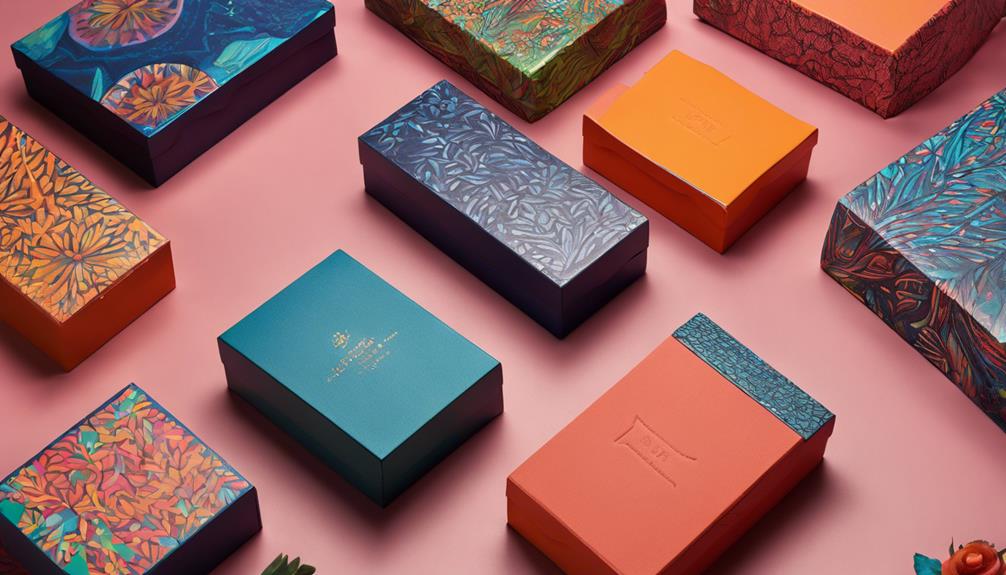
Minimalist packaging designs often outperform bold ones because they prioritize clarity, functionality, and a sustainable appeal. You’ll find that simple designs reduce confusion and create a stronger connection with consumers by conveying purity and quality. Plus, minimalist styles align with eco-friendly practices, which many conscious buyers value. This doesn’t mean bold designs don’t have their place; both approaches can be effective when tied to brand identity. Discover how different elements affect consumer behavior and choices as you explore more.
Key Takeaways
- Minimalist packaging enhances clarity and reduces consumer confusion, potentially leading to increased trust and preference for brands.
- Bold packaging captures attention and evokes emotions, appealing to consumers seeking excitement and memorable experiences.
- Minimalist designs align with eco-friendly practices, attracting environmentally conscious consumers who value sustainability.
- Consumer perceptions vary; some prefer the sophistication of minimalist designs, while others are drawn to the vibrancy of bold packaging.
- Brand identity plays a crucial role; consistent packaging, whether minimalist or bold, strengthens recognition and builds trust among consumers.
Understanding Minimalist Packaging Design
When you think about minimalist packaging design, it’s all about simplicity and function. You’ll notice how the aesthetic appeal lies in clean lines and uncluttered spaces, making the product itself the focal point. This approach emphasizes functional design; every element serves a purpose without unnecessary embellishments. By stripping away excess, minimalist packaging communicates clarity and intention, allowing consumers to quickly grasp the product’s value. You can see how effective this is in attracting attention on crowded shelves, as it stands out by being understated. This design philosophy not only enhances the user experience but also aligns with sustainable practices, as it often requires fewer materials. Embracing minimalist packaging can truly elevate the perception of a brand.
The Allure of Bold Packaging
Bold packaging captures attention with its vibrant colors, striking graphics, and innovative shapes. When you see a product that stands out on the shelf, it’s hard to ignore its charm. Eye-catching graphics can evoke emotions and draw you in, making you curious about what’s inside. These designs often tell a story, creating a connection that minimalist packaging may lack. You’re more likely to remember a product with bold visuals, as they create a lasting impression. This allure can also convey a sense of excitement and adventure, tempting you to explore new flavors or experiences. In a world full of choices, bold packaging can be the deciding factor that influences your purchasing decision, making it a powerful marketing tool.
Consumer Perceptions of Simplicity vs. Complexity
While bold packaging grabs attention, minimalist designs often evoke a different set of feelings. You might find that consumer preferences lean towards simplicity for several reasons:
- Clarity: Minimalist designs communicate messages more directly, reducing confusion.
- Elegance: Clean lines and subtle colors often align with modern design aesthetics, appealing to a sophisticated audience.
- Trust: Simple packaging can suggest purity and quality, leading consumers to perceive the product as more reliable.
- Sustainability: Many consumers associate minimalism with eco-friendliness, as it often requires fewer resources.
In a world saturated with information, embracing simplicity can enhance your connection with buyers, making them feel more at ease with their choices.
The Role of Brand Identity in Packaging Choices
Brand identity plays a crucial role in shaping packaging choices, influencing how consumers perceive a product’s value and purpose. When you maintain brand consistency across your packaging, it strengthens recognition and builds trust. A cohesive design language reflects your brand’s ethos, making it easier for consumers to connect emotionally.
Visual storytelling further enhances this connection by conveying your brand’s message and values through design elements. Whether you opt for minimalist packaging or bold graphics, your choice should align with your brand identity. Each element should tell a story that resonates with your audience, inviting them to engage with your product. Ultimately, strong brand identity shapes not just how you package your product, but how consumers experience it.
Psychological Impact of Design on Purchasing Behavior
When you consider how design influences purchasing behavior, it’s clear that visuals can evoke emotions and drive decisions. Understanding the psychological impact of packaging design involves several key factors:
- Aesthetic Appeal: Attractive designs can capture attention and enhance brand recognition.
- Visual Hierarchy: Effective organization of design elements reduces cognitive load, making products easier to process.
- Emotional Response: Design choices can trigger feelings, influencing consumer loyalty toward a brand.
- Behavioral Economics: The perception of value is often shaped by the packaging’s design, affecting purchasing choices.
Case Studies: Success Stories of Both Approaches
By examining successful case studies, you can see how both minimalist and elaborate packaging designs have led to impressive results in the marketplace. For instance, the minimalist success of Apple’s product packaging has helped create a sleek brand image, making customers feel confident about their purchases. In contrast, brands like Coca-Cola have embraced bold innovations, using eye-catching designs and vibrant colors that stand out on shelves to attract attention. These contrasting approaches show that there’s no one-size-fits-all solution. While minimalist designs often convey sophistication and simplicity, bold packaging can evoke excitement and energy. Ultimately, your choice of packaging design should align with your brand identity and target audience to achieve the best results.
Market Trends Influencing Packaging Design
As consumers increasingly prioritize sustainability and minimal waste, packaging design is evolving to reflect these market trends. You’ll notice that brands are adapting their strategies to stay relevant, focusing on key factors:
- Eco Friendly Materials: More brands are choosing biodegradable and recyclable materials to appeal to environmentally-conscious consumers.
- Cultural Influences: Packaging designs often incorporate local cultural elements, connecting with diverse demographics.
- Transparency: Shoppers want to know what’s in their products, so clear packaging is becoming more popular.
- Functionality: Practical designs that enhance usability are gaining traction, ensuring the packaging serves its purpose efficiently.
These trends show how important it is for brands to align their packaging with consumer values and cultural relevance.
Finding the Balance: When to Choose Minimalism or Boldness
How do you strike the right balance between minimalism and boldness in packaging design? First, consider your target audience. If they appreciate simplicity and clean aesthetics, minimalist advantages can attract them effectively. However, if your product stands out in a crowded market, bold designs might grab attention better, despite their bold limitations.
Next, evaluate your brand identity. A luxury brand might benefit from minimalism, while an energetic, youthful brand could thrive on boldness. Test your designs to see how they resonate with consumers. Remember, combining elements from both styles can create a unique look that appeals to a broader audience. Ultimately, finding the right balance hinges on understanding your product, audience, and brand values.
Conclusion
In the end, whether you lean toward minimalist packaging or bold designs hinges on your brand’s identity and target audience. Like a well-tuned instrument, the right approach harmonizes with consumer expectations, influencing purchasing decisions. As market trends shift, striking a balance becomes crucial; after all, in a world cluttered with choices, simplicity can be as captivating as boldness. So, which melody will your brand choose to play?