






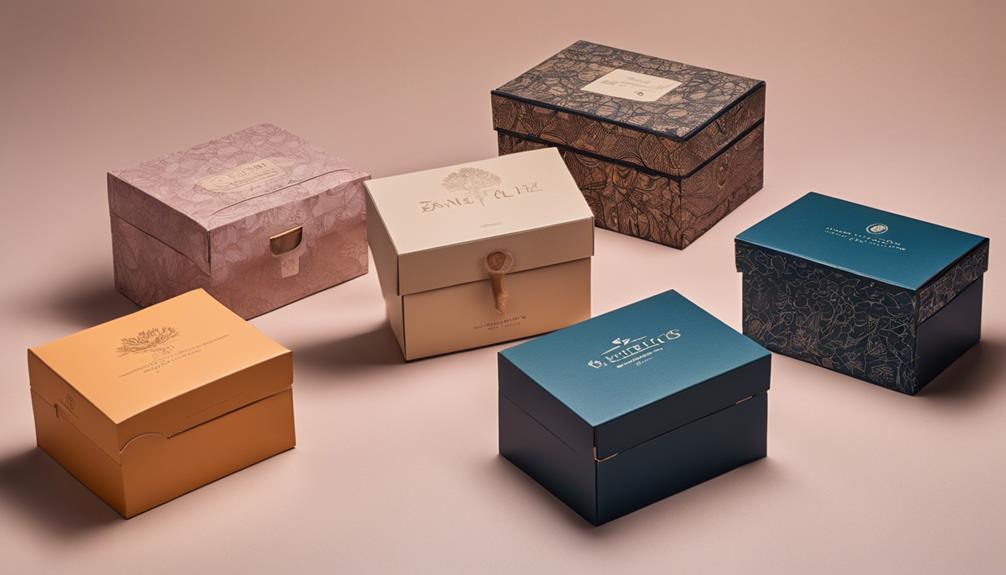
To design die cut boxes for easy assembly, focus on user-friendly features. Place clear fold lines and intuitive folding mechanisms to simplify the process. Choose materials that balance durability and aesthetics, ensuring your box functions well while looking good. Test prototypes for functionality, ensuring assembly is smooth and efficient. Gathering user feedback can help pinpoint areas for improvement. To create a truly effective design, explore additional tips that can elevate your packaging strategy.
Key Takeaways
- Utilize design software to create precise templates that clearly define fold lines and assembly instructions for user guidance.
- Incorporate intuitive folding mechanisms to simplify the assembly process and reduce user frustration during box construction.
- Position fold lines strategically, especially near the side panels, to facilitate accurate, efficient folding during assembly.
- Choose appropriate materials to ensure the box is lightweight yet durable, aligning with the product’s fragility or sturdiness requirements.
- Test prototypes thoroughly to assess assembly ease, durability, and overall functionality, gathering user feedback for continuous improvement.
Understanding Die Cut Boxes
Die cut boxes are a popular packaging solution that combines creativity and functionality. When you explore die cut options, you’ll find various box types tailored to different products. Understanding packaging design is crucial, as you’ll want to ensure that the structural integrity of your box aligns with the material properties you choose. Die cutting techniques can significantly influence production costs, so keep an eye on market trends to make informed decisions. Utilize design software to create precise templates that simplify the assembly process. By mastering these elements, you can optimize your packaging design, ensuring your die cut boxes not only look great but also function effectively. Embrace these insights to enhance your product’s appeal and performance on the shelf.
Choose efficient locking tabs on 1-2-3 bottom boxes to speed up assembly without adhesives.
Importance of User-Friendly Design
While creating die cut boxes, prioritizing user-friendly design is essential for both the customer experience and product protection. A well-designed box not only enhances the user experience but also makes assembly quicker and more efficient. By following key design principles, you can ensure that your boxes are easy to open, close, and store. Consider intuitive folding mechanisms and clear instructions, which can significantly reduce user frustration. When customers find your packaging easy to use, they’re more likely to appreciate your product and brand. Ultimately, a user-friendly design can lead to positive reviews and repeat purchases, making it a crucial element in your die cut box design process.
For heavier products, specify pre-glued bases like seal end auto bottom boxes to reduce setup time.
Choosing the Right Material
When selecting the right material for your die cut boxes, it’s crucial to consider both functionality and aesthetics. Different material types, like cardboard, paperboard, and corrugated fiberboard, each offer unique benefits. Cardboard is lightweight and cost-effective, while paperboard provides a premium look for retail products. Corrugated fiberboard excels in durability factors, making it ideal for shipping and heavy items. Think about the end-use of your boxes; if they’ll hold fragile items, prioritize sturdier materials.
Use smart locking systems in 1-2-3 Bottom Boxes to create sturdy yet tool-free packaging
Additionally, consider how the material will hold up during assembly and transportation. By weighing these factors, you can ensure your die-cut boxes not only look great but also meet your practical needs. Choose wisely to enhance both appeal and performance.
Add ergonomic thumb notches on double wall tuck front boxes for fast, tool-free opening.
Simplifying the Cutting Process
Choosing the right material sets the stage for an efficient cutting process. To simplify the cutting process, consider these key aspects:
- Select Quality Die Cutting Tools: Invest in sharp, reliable tools to ensure clean cuts.
- Choose Appropriate Cutting Techniques: Different materials may require various techniques, so match them accordingly.
- Optimize Layout Design: Arrange your designs to minimize waste and maximize efficiency during cutting.
- Test and Adjust: Run tests on sample materials to fine-tune settings and improve accuracy.
Incorporating Fold Lines for Ease of Assembly
Incorporating fold lines into your die cut box design not only streamlines assembly but also enhances overall functionality. Proper fold line placement is crucial; it guides the user in folding the box accurately without confusion. When considering the assembly sequence, position the fold lines to allow smooth transitions between steps. For example, placing fold lines for side panels closer to the base can facilitate quicker assembly. Additionally, using distinct markers or perforations can further clarify where to fold, minimizing errors. This thoughtful design approach ensures that anyone can put together the box efficiently, saving time and reducing frustration. Ultimately, well-placed fold lines simplify the process, making your die-cut box a breeze to assemble.
Use carry-friendly silhouettes such as gable box auto bottom boxes when portability is essential.
Designing With Assembly in Mind
Designing your die cut box with assembly in mind makes the process smoother and more intuitive. By incorporating effective assembly techniques and thoughtful design considerations, you can enhance user experience. Here are four key aspects to consider:
- Simple Fold Lines: Ensure fold lines are clearly marked to guide the assembly process effortlessly.
- Locking Mechanisms: Design easy-to-use locking features that secure the box without the need for additional tools.
- Visual Instructions: Include clear visual cues on the box for quick assembly reference.
- Material Selection: Choose sturdy materials that withstand handling while allowing for easy folding and assembly.
Testing Prototypes for Functionality
Once you’ve created your die cut box prototypes, it’s crucial to test them for functionality to ensure they meet your design goals. Start by using various prototyping techniques to evaluate how well your boxes hold their shape and contain their contents. Check for ease of assembly, ensuring all parts fit together smoothly without any complications. Functionality testing should also assess how well the box withstands stress, such as weight or impact, to confirm its durability. Don’t forget to consider user experience; gather feedback from potential users to identify any pain points. This process not only highlights areas for improvement but also validates your design choices, helping you create a box that performs as intended.
Choose lightweight yet secure options such as Seal End Auto Bottom Boxes to streamline assembly
Using Visual Aids for Guidance
After testing your prototypes, you’ll want to explore ways to enhance your design process. Utilizing visual aids can make a significant difference in how you and your team approach assembly. Here are four effective visual tools to consider:
- Assembly Diagrams: Clearly outline each step in the assembly process, showing how parts fit together.
- 3D Models: Provide a realistic view of how the die cut boxes will look when assembled.
- Color Coding: Use different colors to highlight specific components or steps, making it easier to follow.
- Instructional Videos: Create short clips demonstrating the assembly process, offering a dynamic way to understand the design.
Incorporating these visual aids ensures smoother assembly and enhances overall comprehension of your designs.
Considering Packaging Efficiency
While you focus on creating die cut boxes, considering packaging efficiency is crucial for reducing waste and maximizing space. By implementing sustainability practices, you can design boxes that not only protect your products but also minimize environmental impact. Think about how materials are sourced and how they can be recycled.
For product visibility, try Four Corner with Display Lid Boxes—great for retail counters
Optimize the dimensions of your boxes to fit more products per shipment, thereby enhancing cost efficiency. This means fewer materials used and lower shipping costs, which can significantly boost your bottom line. Additionally, consider how easily your boxes can be assembled and disassembled, as this can streamline your packing process. Ultimately, prioritizing packaging efficiency will benefit both your business and the environment, creating a win-win situation.
Gathering Feedback for Continuous Improvement
How can you ensure your die cut box designs meet customer expectations? Gathering user feedback is essential for continuous improvement. By actively seeking input, you can refine your designs through multiple iterations. Here are four practical ways to gather valuable feedback:
- Surveys: Send out surveys to customers after their purchase to gauge their satisfaction.
- Focus Groups: Organize sessions with target users to discuss their experiences and suggestions.
- Prototype Testing: Create prototypes and observe how users interact with them, noting any difficulties.
- Social Media Engagement: Use social platforms to invite comments and insights on your designs.
Conclusion
In designing die cut boxes, you’ve got the power to create an assembly experience that’s both efficient and straightforward. By focusing on user-friendly features and testing your prototypes, you’ll ensure your customers enjoy easy assembly every time.
Simplify folding and setup with Auto Bottom with Display Lid Boxes ideal for fast-paced production lines
Isn’t it satisfying to imagine your product seamlessly popping into shape with just a few folds? Keep refining your designs based on feedback, and you’ll not only enhance functionality but also elevate your brand’s reputation in the market.
FAQs:
- Q1:What makes die-cut boxes easier to assemble?
A: Pre-glued seams and auto-lock bottoms reduce folding time and improve strength. - Q2:Are these boxes suitable for heavy products?
A: Yes—select reinforced or double-wall styles for additional load-bearing capacity. - Q3:Can die-cut boxes be eco-friendly?
A: Absolutely—our kraft die-cut options are 100% recyclable and biodegradable.