






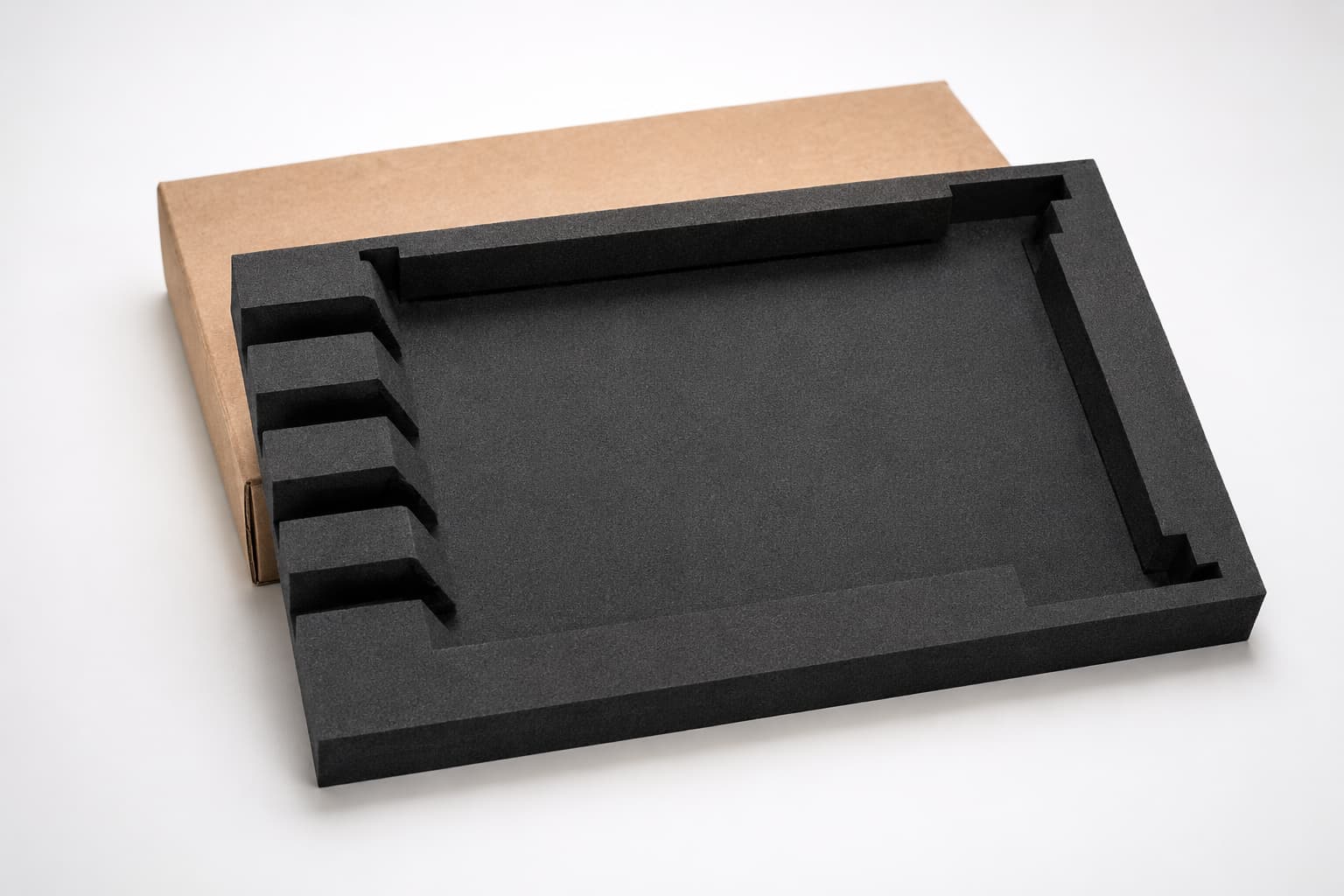
When it comes to protecting your items, foam inserts generally offer better cushioning for fragile products than cardboard. Foam absorbs shocks and vibrations, ensuring your valuables stay safe during transit. However, if you’re looking for a lightweight and budget-friendly option, cardboard can work well for less delicate items. Keep in mind the importance of durability and tailored fit. Want to learn how to choose the right insert for your specific needs?
Key Takeaways
- Foam inserts provide superior cushioning and shock absorption, making them ideal for fragile items compared to cardboard inserts.
- While cardboard is lightweight and cost-effective, it may not offer the same level of protection against impacts as foam.
- Foam’s durability means it maintains protective qualities longer than cardboard, which may require frequent replacements.
- Custom-cut foam minimizes product movement during transit, enhancing protection over standard cardboard inserts.
- Total cost of ownership favors foam due to its longevity and effectiveness in reducing potential damage costs.
Understanding Foam Inserts
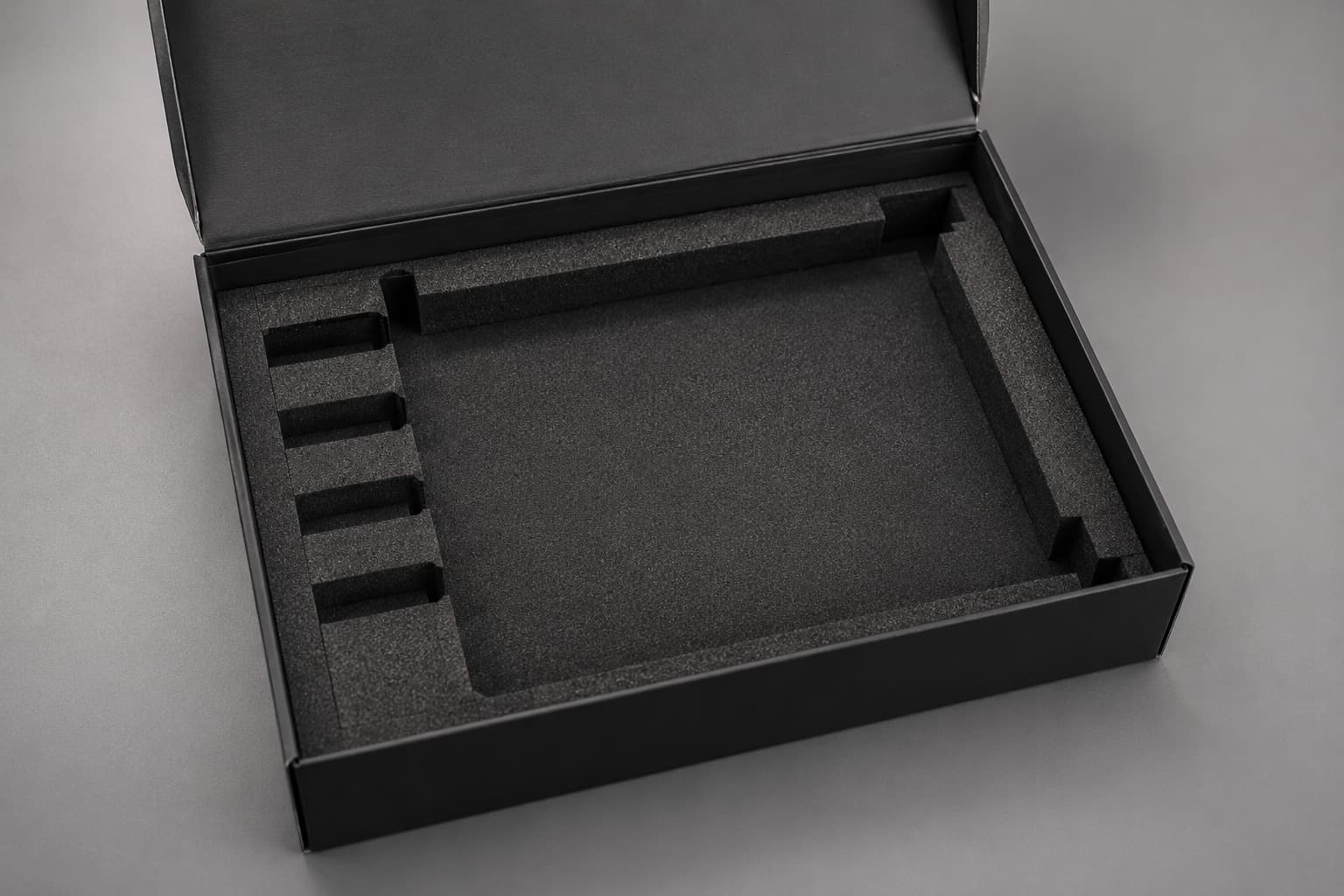
When you consider packaging options, understanding foam inserts can make a significant difference in protecting your products. Foam inserts come in various foam types, each suited for different applications. For instance, polyurethane foam is soft and ideal for delicate items, while polyethylene foam offers sturdiness for heavier products.
You’ve got the option of insert customization, allowing you to create a perfect fit for your items. Custom-cut foam inserts can minimize movement during transit, reducing the risk of damage. By knowing the foam types available and how to customize your inserts, you can enhance the safety of your products. This knowledge empowers you to choose the right foam inserts and ensures that your packaged items arrive in excellent condition.
Benefits of Foam Inserts
Foam inserts offer numerous advantages that can significantly enhance your packaging strategy. One of the key benefits is their excellent cushioning properties, which help absorb shocks and vibrations during transit. This means your products are less likely to sustain damage, saving you money on replacements. Additionally, foam inserts are lightweight, reducing shipping costs without compromising protection. The durability factors of foam also play a crucial role; they resist wear and tear, ensuring your packaging remains effective over time. Plus, foam can be customized to fit any product shape, providing a snug fit that minimizes movement inside the package. Overall, using foam inserts can elevate your packaging game and deliver peace of mind for both you and your customers.
Limitations of Foam Inserts
While foam inserts provide excellent protection, they do come with certain limitations that you should consider. Here are four key points to keep in mind:
- Foam Durability: Over time, foam can degrade, losing its protective qualities and requiring replacement.
- Cushioning Performance: Depending on the type of foam used, cushioning performance may vary, which can impact the level of protection provided.
- Cost: High-quality foam inserts can be more expensive than other materials, affecting your budget.
- Weight: Foam inserts may add unnecessary weight to your packaging, making transportation less efficient.
Exploring Cardboard Inserts
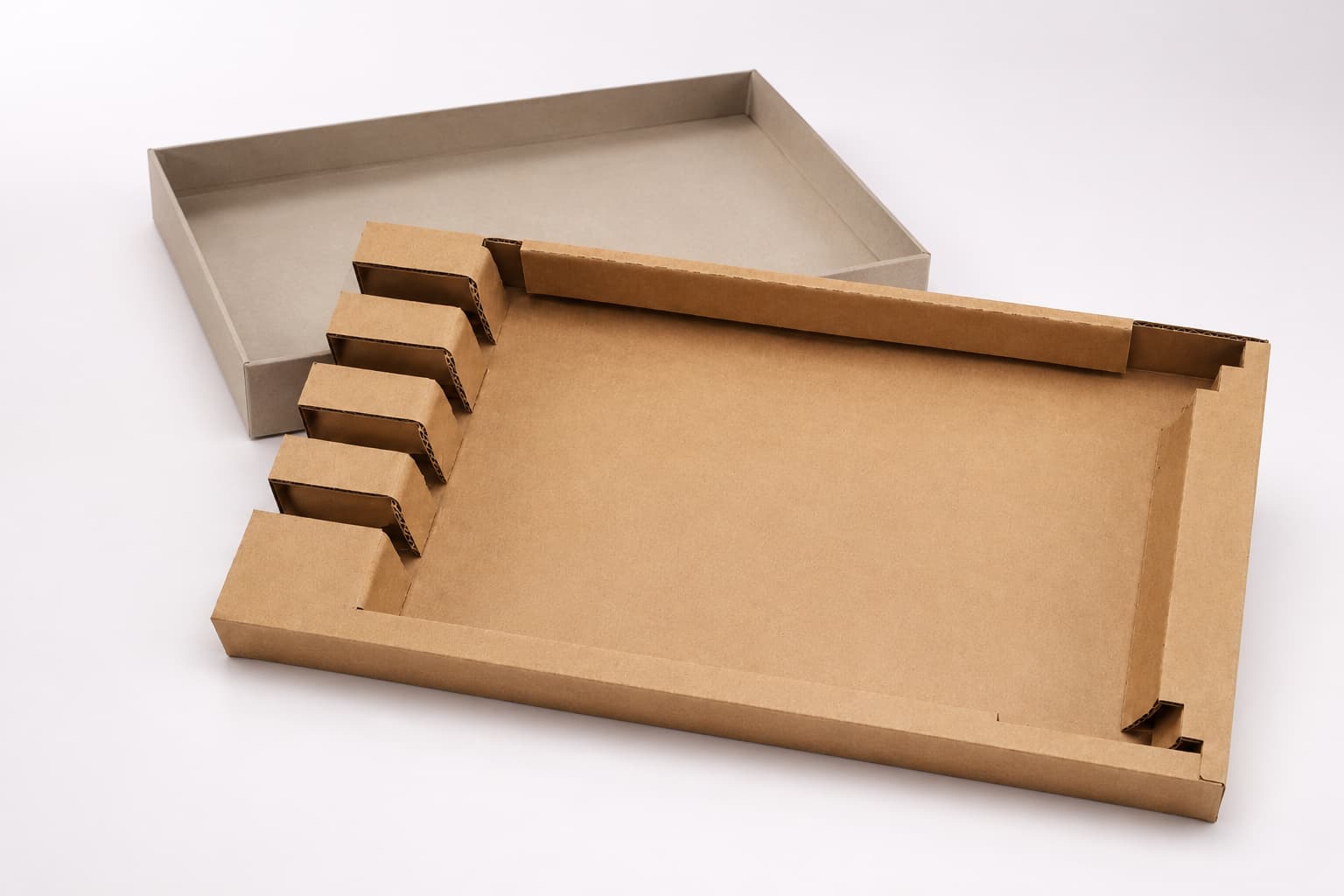
Cardboard inserts offer a lightweight and cost-effective solution for protecting your products during transit. You’ll appreciate the cardboard durability, which provides adequate support for various items without adding excessive weight. Unlike foam, cardboard is recyclable and biodegradable, making it a more environmentally friendly choice. This means your packaging can align with sustainability goals, reducing your ecological footprint. When you choose cardboard inserts, you’re not just considering protection; you’re also acknowledging the environmental impact of your packaging decisions. They can be customized to fit different product shapes, ensuring a snug fit while maintaining structural integrity. Overall, cardboard inserts combine practicality with ecological responsibility, allowing you to protect your products while being mindful of the planet.
Advantages of Cardboard Inserts
When you consider packaging options, the advantages of cardboard inserts quickly become apparent. They offer a range of benefits that make them a smart choice for your products. Here are four key advantages:
- Sustainability Benefits: Cardboard is recyclable and biodegradable, reducing your environmental footprint.
- Cost-Effective: Cardboard inserts are often cheaper than foam alternatives, helping you save on packaging costs.
- Customization Options: You can easily tailor cardboard inserts to fit your product’s unique shape and size, enhancing protection and presentation.
- Lightweight: They add minimal weight to your packaging, reducing shipping costs and making handling easier.
Disadvantages of Cardboard Inserts
Although cardboard inserts have their benefits, they also come with several disadvantages that can impact your packaging choices. One major concern is cardboard durability issues. Over time, cardboard can easily bend, tear, or even crumble, especially under pressure or when carrying heavier items. This can compromise the protection you expect from your packaging. Additionally, cardboard is known for its moisture sensitivity. When exposed to humidity or spills, it can absorb water, leading to warping or weakening. This makes it less reliable for products that require a more robust protective solution. If you’re shipping sensitive items or need long-lasting packaging, these drawbacks of cardboard inserts might steer you toward a more durable alternative.
Cost Comparison: Foam Vs Cardboard
While cardboard inserts may be less expensive upfront, their long-term costs can add up, especially when you factor in their durability issues. A thorough cost analysis reveals that foam inserts often provide better value over time. Here’s a quick material comparison:
- Initial Cost: Cardboard is cheaper initially, but it may need frequent replacements.
- Durability: Foam lasts longer, reducing replacement frequency.
- Protection: Foam offers superior protection, minimizing damage costs.
- Customization: Foam can be tailored for specific items, enhancing shipping efficiency.
In the end, while cardboard might save you a few bucks initially, consider the potential expenses down the line. Foam inserts can be a more economical choice when you assess the total cost of ownership.
Choosing the Right Insert for Your Needs
Choosing the right insert for your needs can significantly impact the protection and presentation of your products. When considering insert durability, think about how your items will be stored and transported. Foam inserts offer superior cushioning, making them ideal for fragile items. On the other hand, cardboard inserts are lightweight and cost-effective, suitable for less delicate products.
Material selection plays a crucial role; consider factors like moisture resistance and environmental impact. If you need something reusable, foam might be your best bet. However, if you’re looking for a more sustainable option, cardboard could fit the bill. Assess your product’s specific requirements, and you’ll find the perfect insert that combines protection with presentation for your unique needs.
Foam vs Cardboard Inserts for Fragile Cosmetic Products
When choosing between foam and cardboard inserts, cosmetic brands need to think beyond basic protection. Beauty products are often delicate, expensive-looking, and highly visual, so the insert inside the box must protect the product while also supporting the customer experience. This is especially important for skincare jars, serum bottles, glass droppers, perfume bottles, creams, and other fragile cosmetic items that can easily break, leak, or move during shipping.
Foam inserts are commonly used when a product needs extra cushioning. They are soft, flexible, and can absorb impact during shipping. For glass serum bottles, perfume bottles, and luxury skincare items, foam can provide strong protection because it holds the product tightly and reduces movement inside the box. This makes foam useful for premium packaging, PR kits, influencer boxes, and fragile beauty products that need a more secure fit.
However, foam is not always the best option for every cosmetic brand. While it protects well, it may not match the image of eco-conscious skincare brands. Many modern beauty customers prefer packaging that feels recyclable, minimal, and sustainable. If a brand promotes natural ingredients, clean beauty, or environmentally responsible values, foam inserts may feel less aligned with the brand message.
Cardboard inserts are a strong alternative for many cosmetic products. They can be die-cut to hold bottles, jars, tubes, and small cosmetic items in place. Cardboard inserts are usually more eco-friendly, easier to recycle, and better suited for brands that want clean, responsible packaging. For startups focused on sustainability, cardboard inserts can work very well with eco friendly cosmetic packaging solutions because they protect the product while supporting a greener brand image.
For serum products, the right insert depends on the bottle type and shipping needs. Glass serum bottles usually need a tight and secure structure because they are fragile and often high-value. Foam inserts may offer better shock absorption, but well-designed cardboard inserts can also protect serum bottles effectively if the box structure is strong. Brands launching skincare products should consider custom serum boxes for startups because serum packaging often needs both protection and premium presentation.
Skincare jars also need proper insert support. Cream jars, face masks, eye creams, and moisturizer containers can be heavy compared to small lipstick or mascara products. If the insert is weak, the jar may shift inside the box during shipping, which can damage the packaging or create a poor unboxing experience. A cardboard insert with a custom cutout can hold the jar neatly in place, while foam can add extra protection for heavier or glass containers.
For eCommerce beauty brands, inserts are even more important. Online customers expect their products to arrive safely and beautifully presented. If a product arrives damaged, scratched, or loose inside the box, the customer may lose trust in the brand. This can lead to returns, complaints, negative reviews, and lost repeat sales. A proper insert helps prevent these issues by keeping the product stable from the warehouse to the customer’s doorstep.
Cardboard inserts are often better for eCommerce brands that want lightweight packaging. They can reduce unnecessary bulk, support branding, and keep shipping costs more manageable. They can also be printed or designed to match the box, creating a cleaner and more premium unboxing experience. For example, a skincare brand can use a white box with a white cardboard insert, gold logo details, and a thank-you card to create a high-end but minimal presentation.
Foam inserts work better when the product is very fragile, luxury-focused, or part of a high-value gift set. If a brand is sending PR packages to influencers, luxury skincare kits, or expensive glass bottles, foam may provide stronger protection and a more fitted look. However, brands should balance protection with sustainability, cost, and customer expectations.
The best choice is not always foam or cardboard alone. Some brands may use a combination of strong outer packaging, cardboard inserts, and protective wrapping to reduce the need for foam. Others may use foam only for premium or fragile products while using cardboard inserts for standard cosmetic packaging. The decision should depend on product weight, fragility, shipping distance, brand image, and budget.
For small beauty brands, the goal should be simple: choose inserts that protect the product, match the brand identity, and create a professional unboxing experience. If your brand focuses on sustainability, cardboard inserts are usually the better option. If your product is fragile, heavy, or luxury-positioned, foam may offer stronger protection. But in both cases, the insert should feel intentional, not random.
In the cosmetic industry, packaging is part of the product experience. Customers notice how the product is placed inside the box, how secure it feels, and whether the packaging looks professional. That is why many brands invest in custom cosmetic boxes with logo along with custom inserts. A branded box with the right insert does more than protect the product — it makes the brand look reliable, premium, and ready for the market.
Conclusion
In the battle of foam versus cardboard inserts, your choice can be the armor your products need in the unforgiving journey of shipping. Foam wraps your items in a soft embrace, while cardboard stands firm like a sturdy fortress. Consider your needs carefully, and choose the guardian that’ll keep your treasures safe. Remember, every product deserves protection that’s as strong as your commitment to quality, ensuring they arrive at their destination unscathed and ready to shine.